How do you keep a boat cool in summer?

How do you keep a boat cool in summer?

Summer is undoubtedly the most enjoyable season for boating. Long sunny days, waterside stopovers and meals on deck are all part of the unique pleasures of life on board. However, as temperatures rise, heat can quickly build up inside the boat and make the living spaces less comfortable.

Fortunately, a few well-thought-out improvements and good habits can often help maintain a pleasant atmosphere throughout the day.
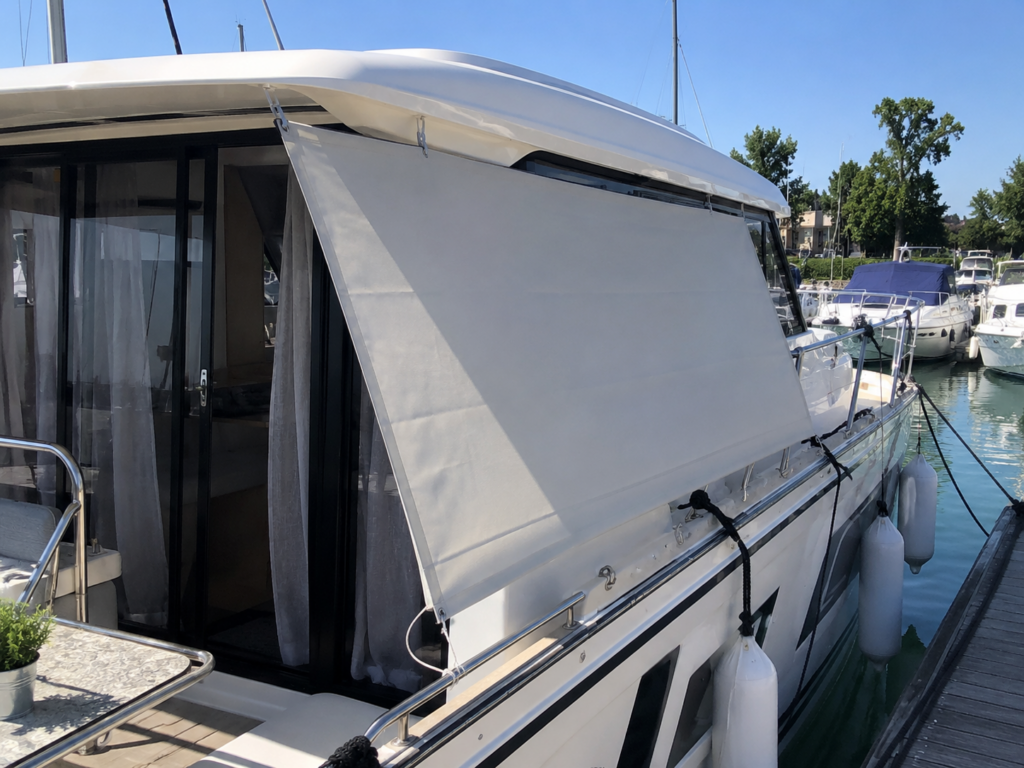
Installing external sunshades

This is probably the most effective solution and yet one of the most overlooked.

Many boat owners install curtains or blinds inside their boats to protect themselves from the sun. While they are useful for maintaining privacy, they are less effective at reducing heat.

Once the sun’s rays have passed through the windows, the heat becomes trapped inside and the temperature can rise very quickly.

The best approach is therefore to prevent the heat from entering the boat in the first place by installing external sun protection, such as canopies, external sunshades, protective covers, window shades designed for glazing or shade sails over certain areas of the boat.

Promote cross ventilation

Good air circulation is essential to remove the heat that builds up inside the boat.

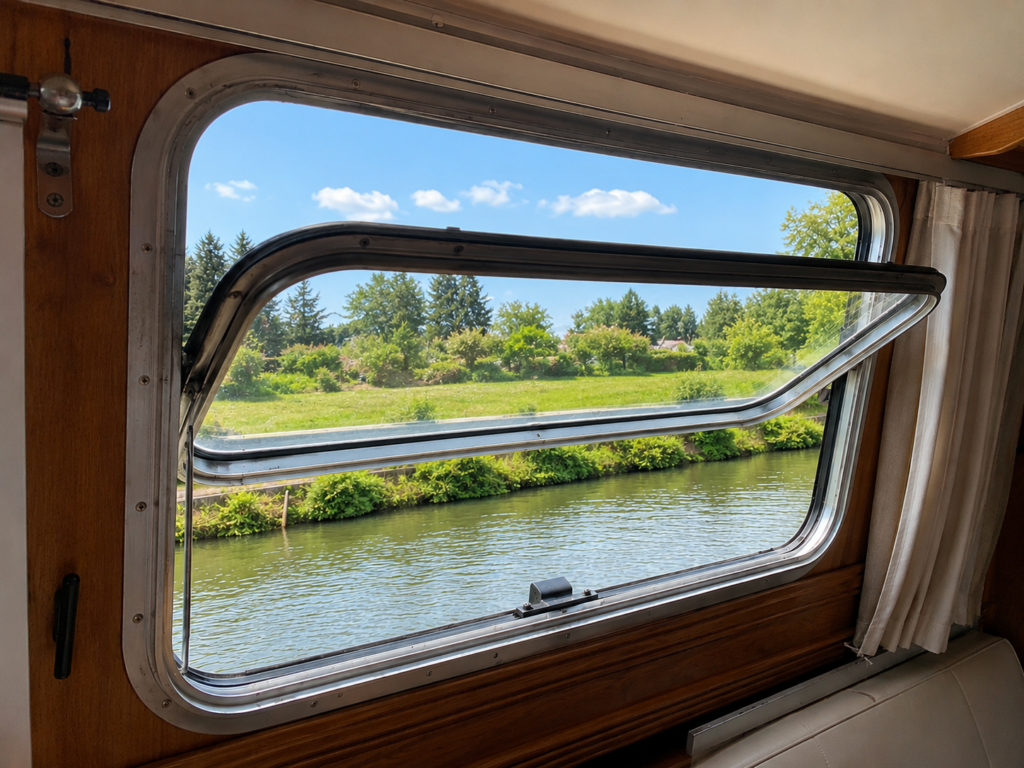
To achieve this, promote cross ventilation by opening portholes located on opposite sides of the boat. This creates a natural airflow that refreshes the air inside and helps dissipate heat more effectively.

The timing of ventilation is also important. It is recommended to open up the boat early in the morning and again in the evening, when temperatures are cooler.

On the other hand, during the hottest part of the day, especially during heatwaves, it is best to limit openings to avoid letting even more hot air inside.
Limit heat sources

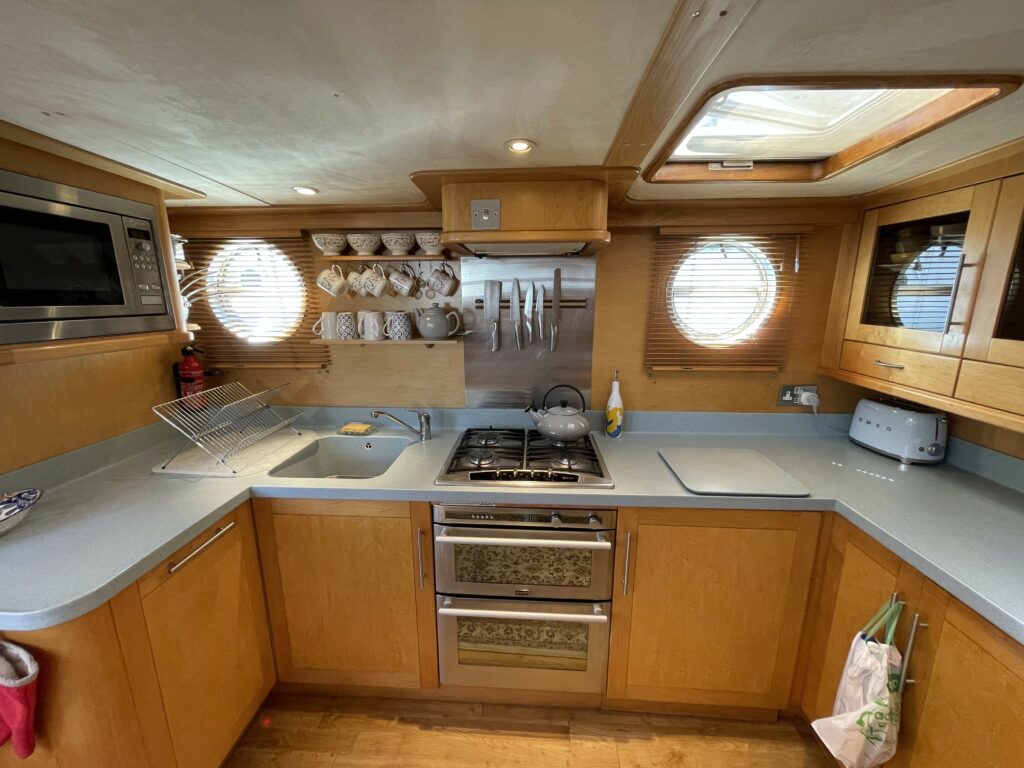
Some everyday appliances generate a significant amount of heat themselves.

During the hottest hours of the day, try to limit the use of:

  • The oven
  • Cooking hobs
  • Energy-intensive electrical appliances
  • Electronic devices that produce heat

Whenever possible, opt for cold meals or prepare your dishes early in the morning or later in the evening.

These small adjustments can help maintain a more comfortable temperature inside the boat.

Use additional equipment

Depending on your boat’s layout and your cruising programme, certain equipment can provide additional comfort.

Fans remain a simple, cost-effective and energy-efficient solution for improving air circulation on board.

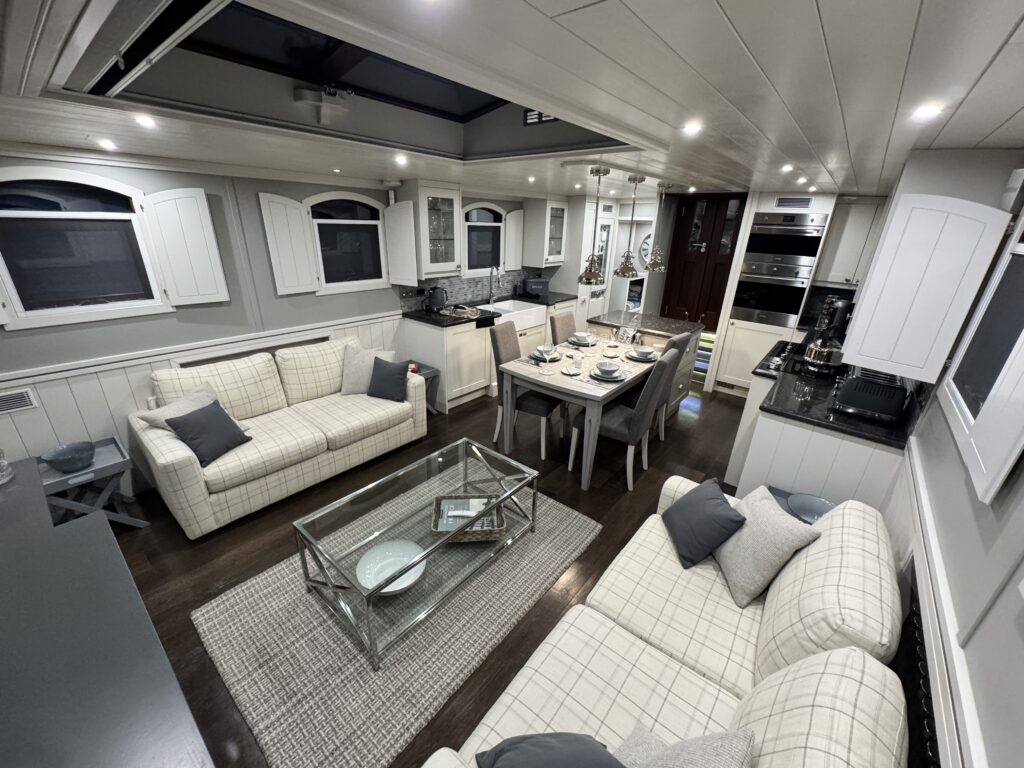
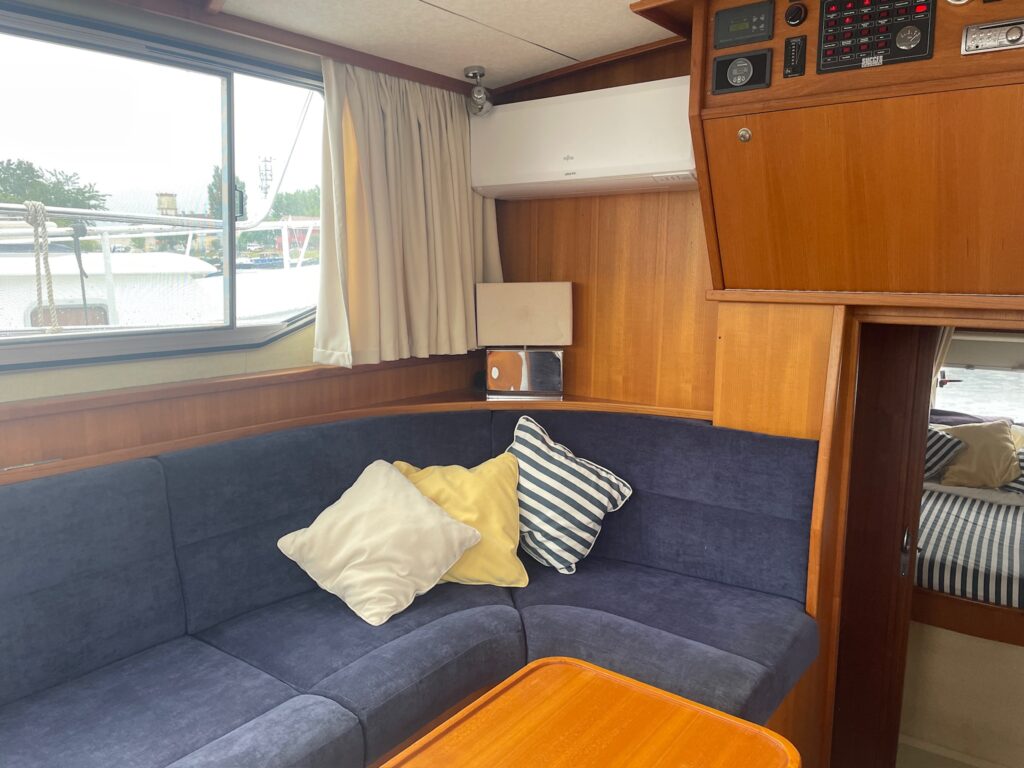
On some boats, particularly liveaboard vessels designed for year-round living, air conditioning can also be considered.

Before installing any additional equipment, it is important to check the boat’s electrical capacity and energy autonomy, especially if you regularly cruise away from marinas or shore power connections.
Choose the right mooring location

The boat’s location has a direct impact on the temperature felt on board.

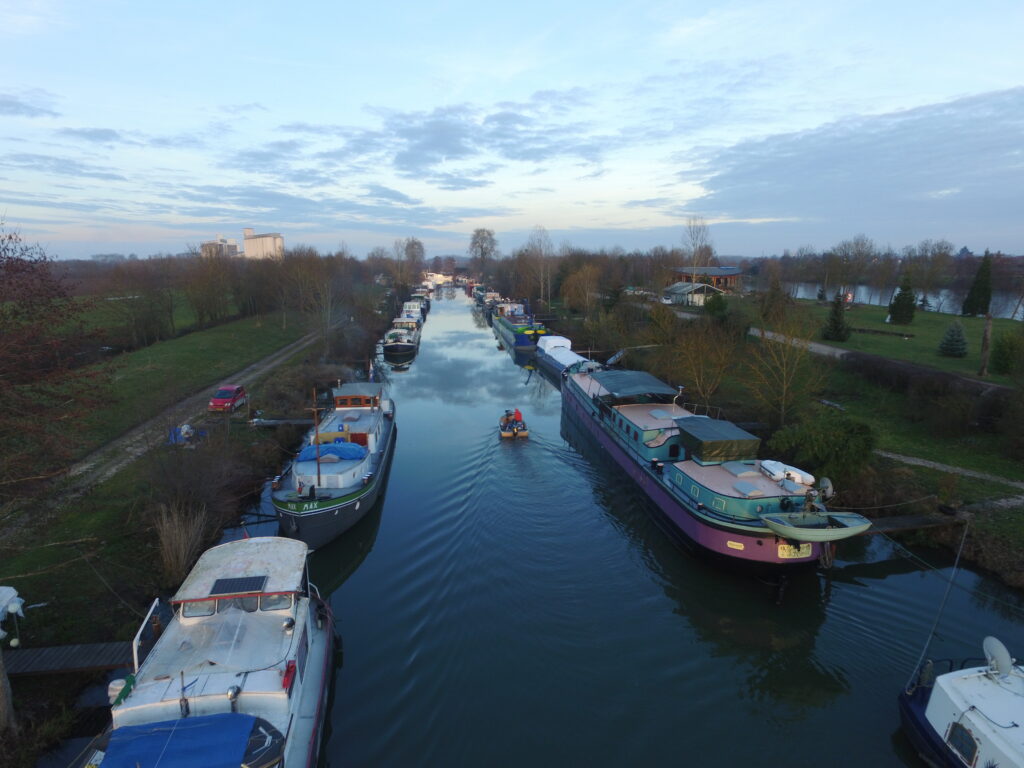
Whenever possible, try to moor in the shade or choose a location that is less exposed to direct sunlight during the hottest hours of the day.

Sometimes, simply changing the boat’s orientation can significantly reduce the amount of heat absorbed through the windows and exterior surfaces.

Trees, nearby buildings or simply the position of the boat in relation to the sun can make a real difference.

Ultimately, keeping your boat cool is not just about equipment; it’s also about planning ahead and adopting good habits.

☀️ Now that your boat is ready to cope with the summer heat, don’t forget to prepare for your next cruises as well. Discover our complete pre-departure checklist to make sure everything is in order before each trip and set off with peace of mind.
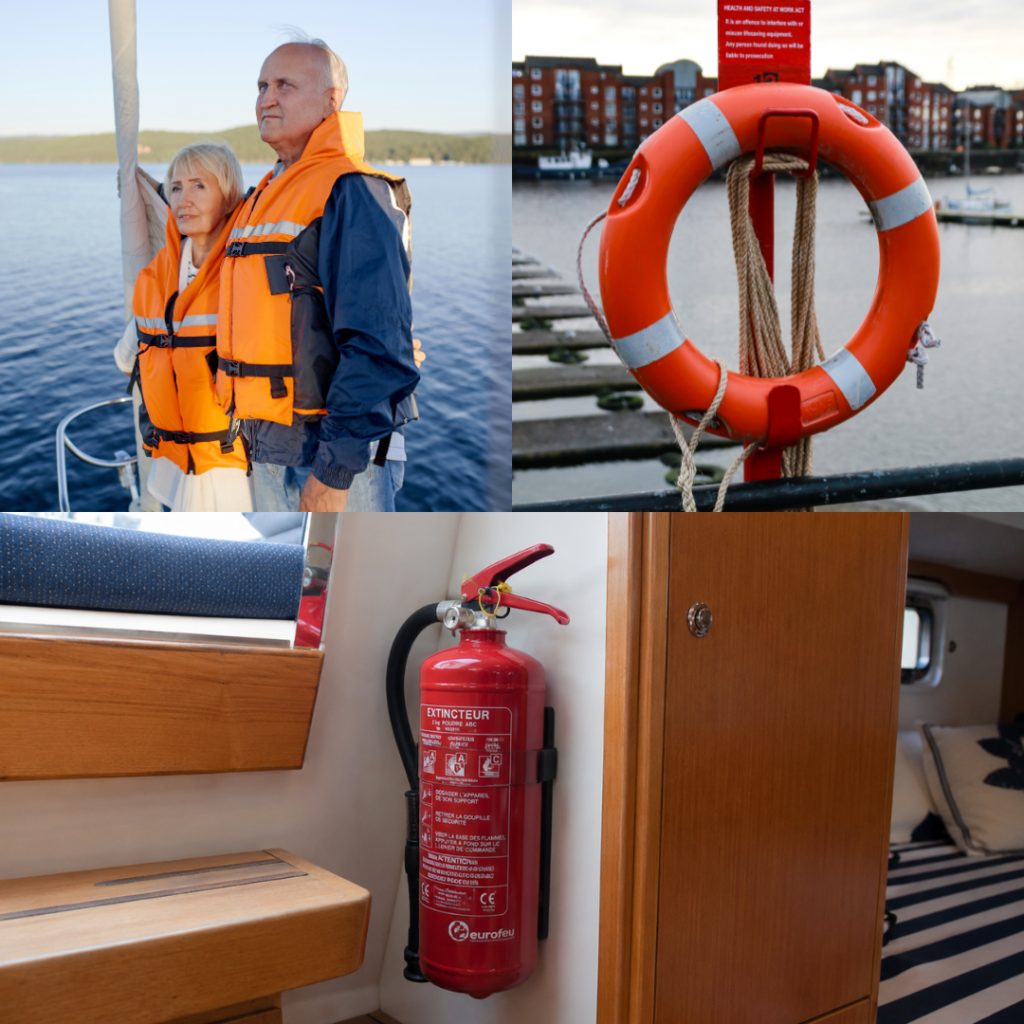
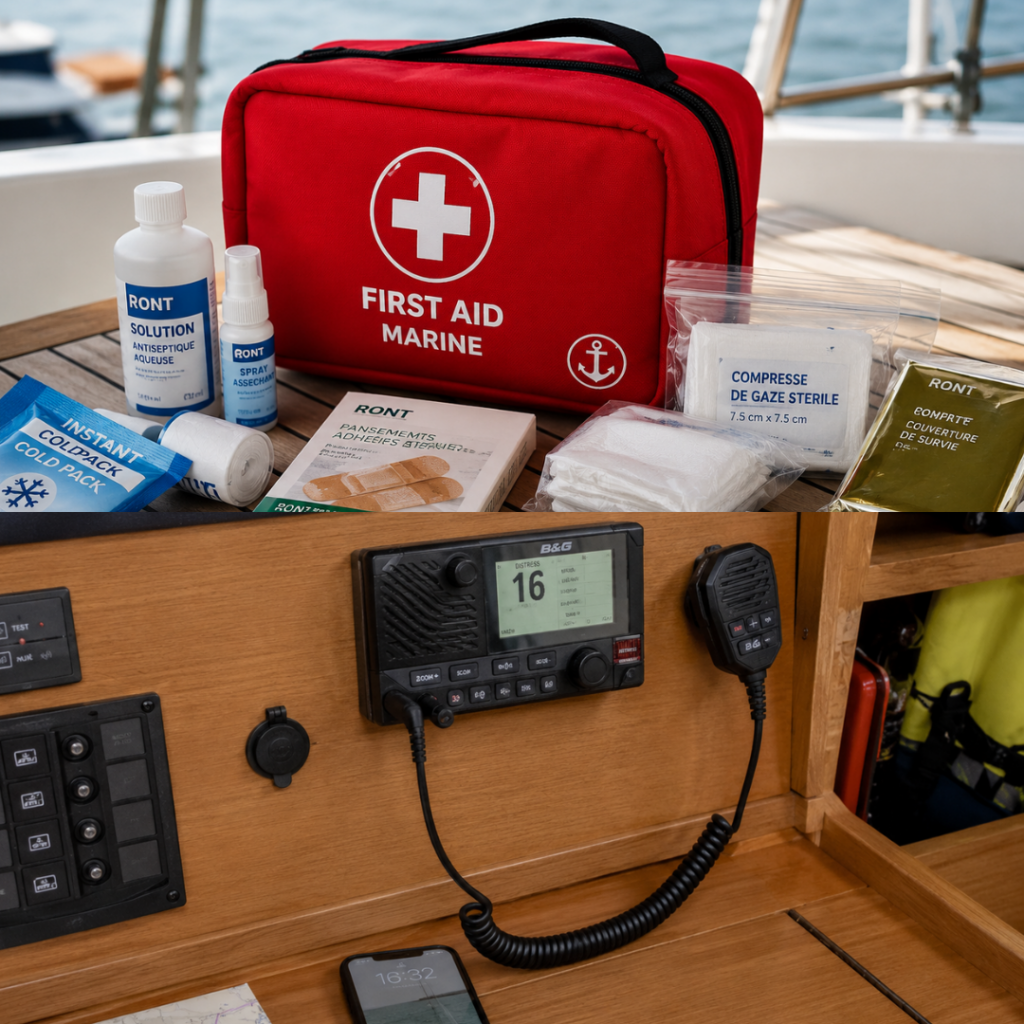
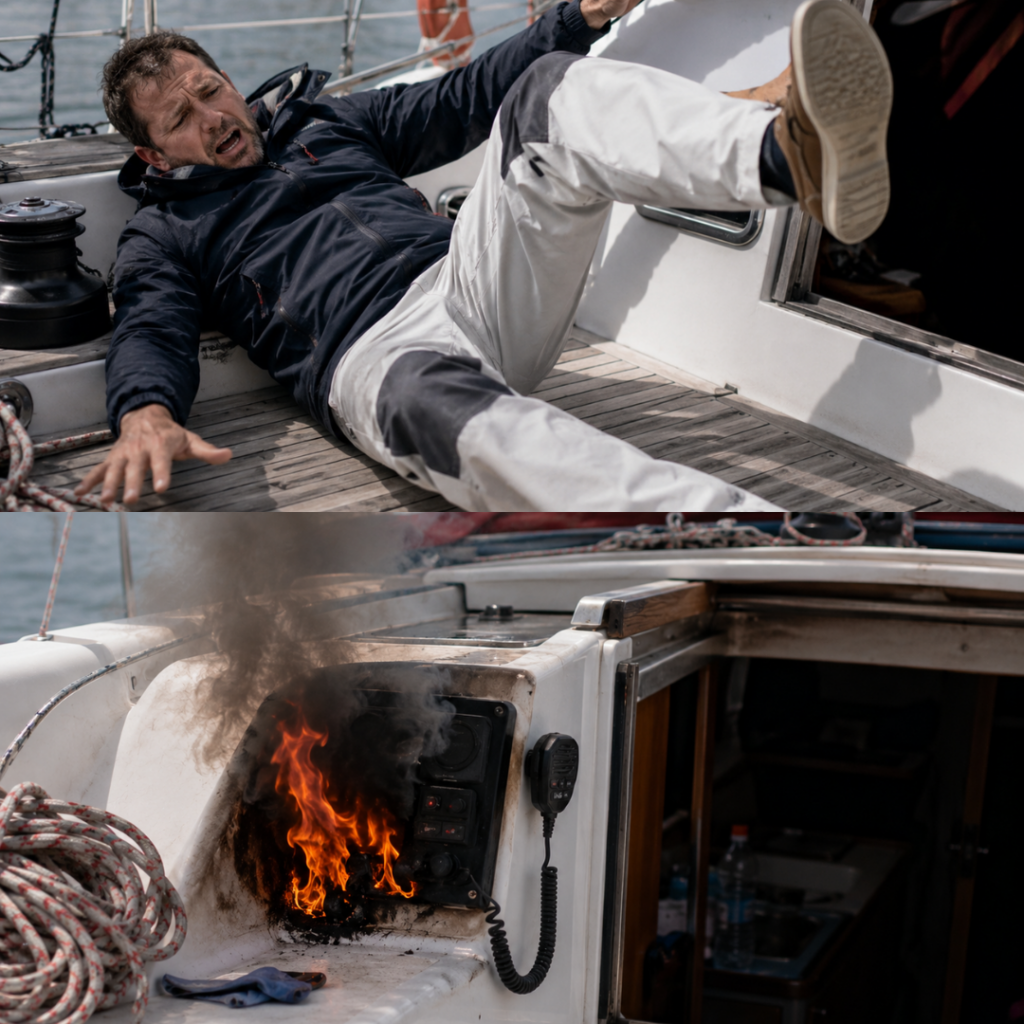
Boat Safety: Essential Tips and Best Practices to Protect Your Crew

Boat Safety: Best Practices for Keeping Your Crew Safe

When it comes to safety on board, many people immediately think of life jackets or fire extinguishers. However, safety is not based solely on mandatory equipment.

Whether you are cruising on canals, rivers or at sea, a few simple precautions can help reduce risks and allow you to fully enjoy every trip on the water.

Safety begins long before leaving the dock

A well-maintained boat is a safer boat. Many incidents are caused by poor maintenance or an unnoticed issue. A leak, a faulty battery or an expired fire extinguisher can quickly turn an enjoyable cruise into a difficult situation.

Taking the time to inspect your boat regularly helps anticipate potential problems and avoid many inconveniences.

Essential Safety Equipment on Board

Life Jackets

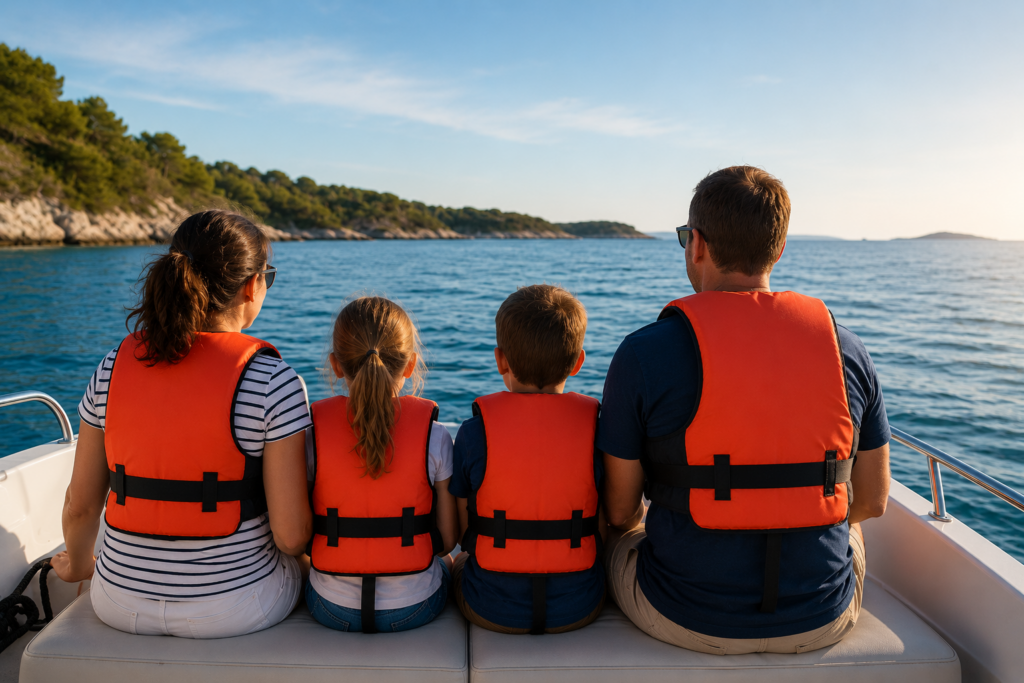
Every person on board should have a life jacket that is suitable for their size and build.

Before departure, check:

  • The number of life jackets available
  • Their overall condition
  • Their accessibility in case of an emergency

Life Buoy

A life buoy is an essential piece of safety equipment in the event of a fall. It should be easily accessible at all times.

Fire Extinguishers

A fire on board can have serious consequences.

It is important to regularly check that fire extinguishers are present, within their validity period, and correctly located on the boat.

First Aid Kit

A well-stocked first aid kit allows you to deal with everyday incidents such as:

  • Cuts
  • Minor burns
  • Scratches
  • Common ailments

Remember to check its contents regularly.

Communication Equipment

Depending on your cruising plans, it is recommended to have:

  • A fully charged mobile phone
  • A VHF radio when necessary
  • Useful emergency contact numbers

Safety equipment is the first line of defence in the event of an unexpected situation on board.

Properly maintained, correctly stored and immediately accessible, it enables you to respond effectively in an emergency.

Regularly checking the condition of your safety equipment is therefore one of the best habits to adopt for safe and confident boating.


The Main Causes of Accidents on Board

Falls on Board

Wet decks, lock passages, mooring manoeuvres or simply losing your balance: falls account for a large proportion of incidents on board.

To reduce the risks:

  • Wear non-slip footwear
  • Use handrails whenever possible
  • Avoid running on deck
  • Keep side decks and walkways clear

Fires

Galley equipment, electrical systems, chargers and other onboard devices can all be potential sources of fire.

A few simple precautions can significantly reduce the risks:

  • Regularly inspect electrical installations
  • Check gas systems and connections
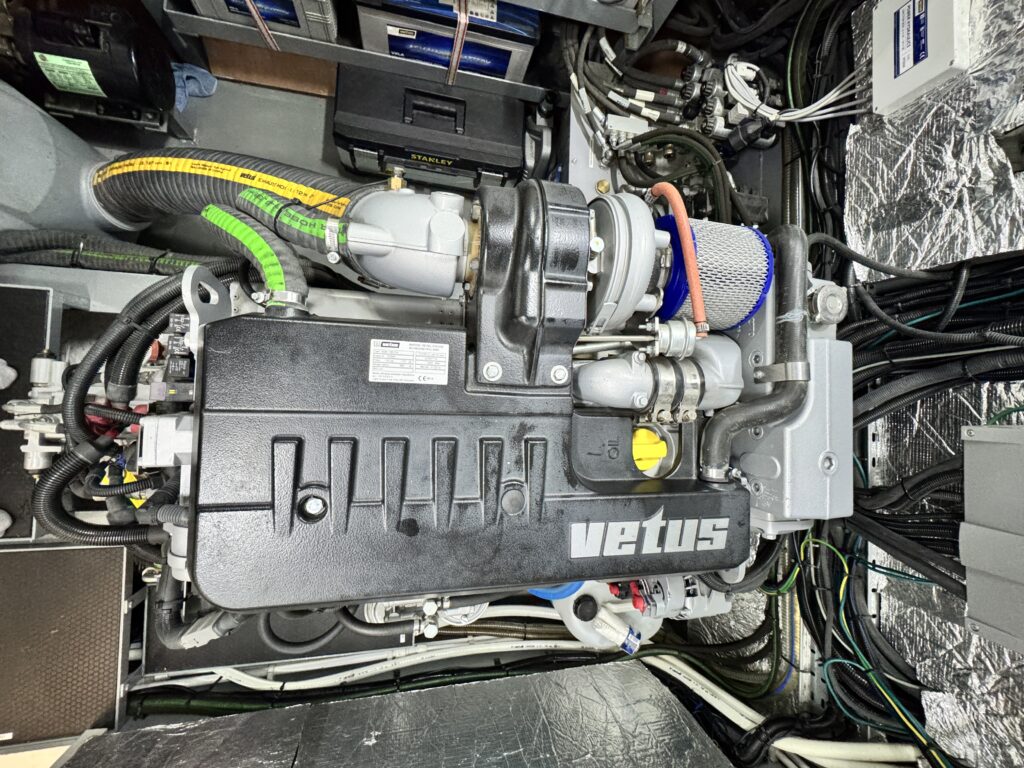
  • Maintain the engine properly
  • Never leave cooking appliances unattended

Harbour and Lock Manoeuvres

Injuries frequently occur during docking operations and lock passages. Hands and fingers are particularly exposed when handling mooring lines.

One simple rule should always be followed: never attempt to stop or hold a moving boat with your hands.

Children’s Safety on Board

The presence of children requires special attention. Wearing a life jacket should be mandatory whenever they are on deck. It is also recommended to explain which areas they may access freely and which require adult supervision. The clearer the rules, the more safely and confidently children can enjoy being on board.

Adopting Safe Habits

Even on inland waterways, certain habits can significantly improve safety:

  • Adjust your speed to the conditions
  • Maintain safe distances from other boats
  • Stay attentive to weather conditions
  • Avoid any distractions at the helm

Planning your next trip on the water? Discover our complete pre-departure checklist and make sure everything is ready before you set off!


Boat departure checklist

Boat departure checklist

Before casting off, a few essential checks help ensure safe and stress-free navigation. Discover our pre-departure navigation checklist below.

Engine check

The engine and energy system are the heart of the vessel. Their proper functioning is essential to ensure reliability, safety, and overall performance.

Before any use, a thorough inspection helps prevent breakdowns and avoid incidents along the way.

Here are the key points to check:

✅ Fuel level

✅ Engine oil level

✅ Water and coolant levels

✅ Batteries charged and battery switches checked

✅ Engine operation and onboard instruments functioning properly

Onboard safety

Before setting sail, onboard safety is an absolute priority and must never be overlooked. It ensures the protection of all passengers in case of unexpected events (breakdown, man overboard, difficult navigation conditions, etc.).

A thorough inspection of safety equipment helps anticipate risks and ensures safe and stress-free navigation.

Here are the key points to check before departure:

✅ Life jackets available for all passengers
✅ Lifebuoy, fire extinguishers, and first-aid kit on board
✅ Navigation lights and lighting in proper working order
✅ Bilge pump checked
✅ Mooring lines and fenders correctly installed


Preparing your navigation

Before any trip, navigation planning is an essential step to ensure a smooth, safe, and incident-free journey.

Properly anticipating your route and staying informed about navigation conditions allows you to adapt your course, avoid obstacles, and respond effectively to any changes along the way. Good preparation directly contributes to onboard comfort and safety.

Here are the key points to check before departure:

✅ Route planned in advance

✅ Lock schedules and operations checked

✅ Weather conditions reviewed

✅ Water levels and navigation notices checked

✅ GPS, VHF, and navigation equipment in working order

Well-prepared navigation is the guarantee of setting off with confidence and fully enjoying the journey.

Comfort & onboard living

Before departure, onboard comfort plays an important role in fully enjoying the cruise in good conditions.

A well-organised and properly prepared boat allows for a pleasant, functional, and safe onboard experience, while helping to avoid inconveniences once under way.

Here are the key points to check before departure:

✅ Freshwater tanks filled

✅ Portholes and doors secured before setting off

✅ Items properly stowed and secured on board

✅ Refrigerator, galley, and equipment ready for the cruise

✅ Food, drinks, and personal belongings on board


Administrative

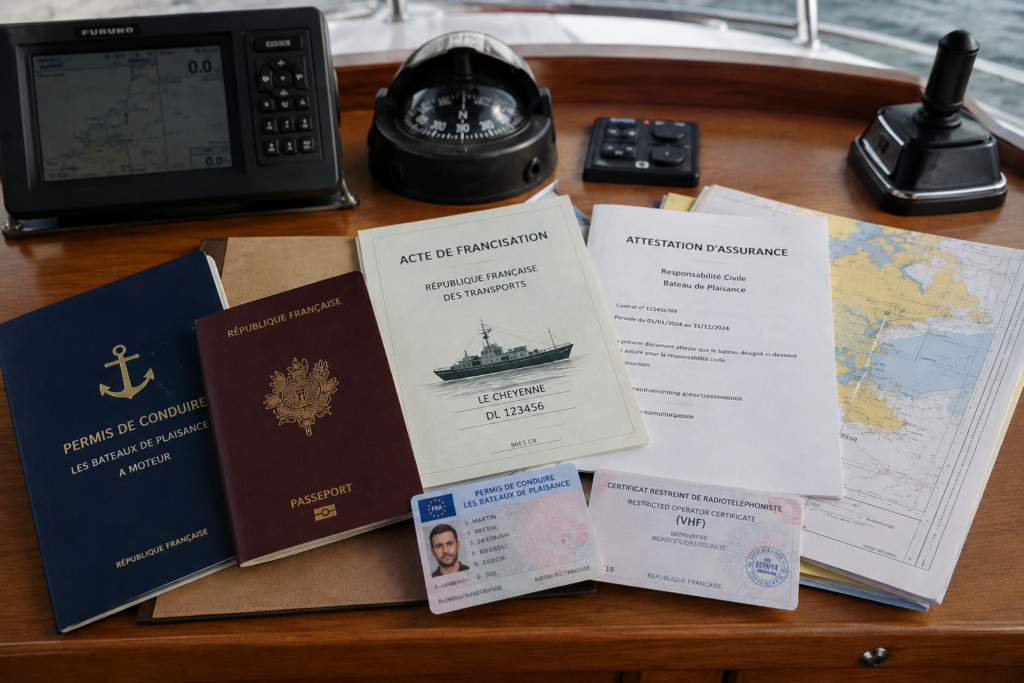
Before setting sail, it is essential to ensure that all administrative requirements are in order and easily accessible on board.

In the event of a inspection, incident, or need for assistance, having up-to-date documents readily available saves valuable time and helps avoid unnecessary complications. It also contributes to more peaceful navigation, knowing that you are compliant with regulations and properly covered.

Here are the key points to check before departure:

✅ Boat documents (registration certificate, cruising permit, valid insurance certificate, etc.)

✅ Personal documents (ID card or passport, boating licence)


What boat size should you choose based on your boating plans?

What boat size should you choose based on your boating plans?

Choosing your boat’s size is one of the first decisions to make when planning a purchase. Length, width, draft… these factors directly affect your comfort, budget, navigation possibilities, and stopover locations. The right size depends primarily on your boating plans.
Here’s how to make the right choice.


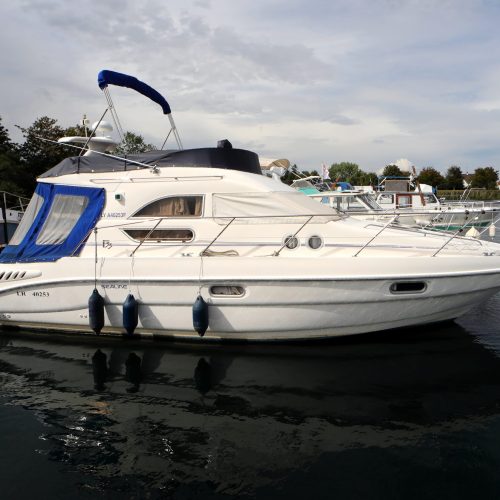
Sealine-a-vendre

For day trips or weekends

Recommended size: 7 to 10 meters.

This type of boat is ideal if you want to:

  • Sail for a few hours or a full day

  • Enjoy occasional weekend trips

  • Prioritize ease of use

  • Keep maintenance and mooring costs low

Advantages:

  • Quick to handle, perfect for beginners

  • Easier navigation through locks and narrow canals

  • Access to more river stops and small ports

  • Generally lower fuel consumption

  • Simpler winter storage

  • Technical maintenance is often less complicated

For short cruises up to a week

Recommended size: 10 to 13 meters.

This is the ideal compromise for enjoying river cruising in comfort.

You also benefit from:

  • A separate cabin

  • A bathroom

  • A functional kitchenette and a pleasant living area

Advantages:

  • Good comfort-to-budget ratio

  • Suitable for couples or small families

  • Still manageable for a first-time purchase

  • More storage space

  • Access to most ports and river stops

  • Balanced maneuverability and livable space

This is often the most sought-after size for a first-time boat purchase.


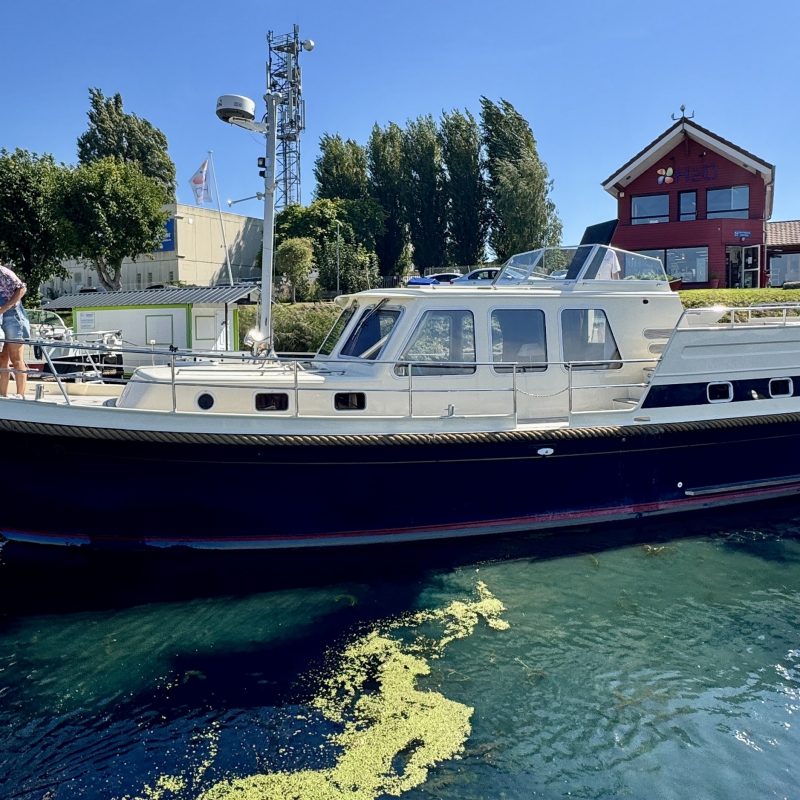
Image du bateau Lively B, amarré au port de Saint-Jean-de-Losne, d'une longueur de 12.65 mètres.


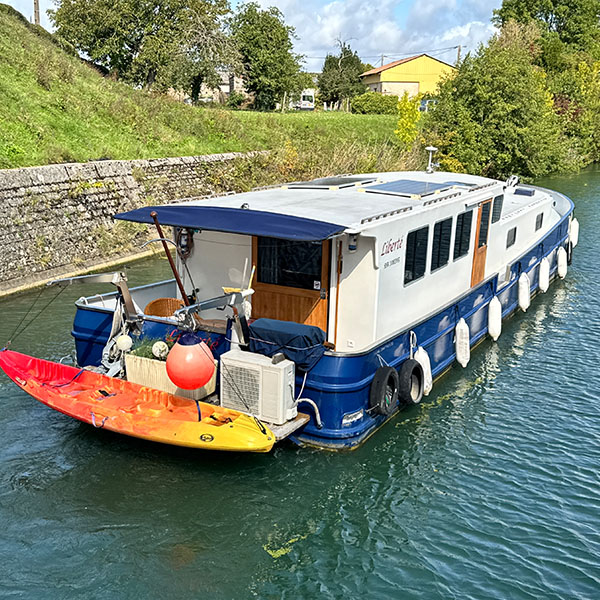
Photo de la péniche "Liberté" en navigation, d'une longueur de 16 mètres

For regular or extended cruises

Recommended size: 13 to 18 meters.

Planning to spend several weeks on board or cruise regularly? This category offers real onboard living comfort.

Advantages:

  • Multiple cabins possible

  • Full living room ; Equipped and functional kitchen

  • Larger outdoor spaces

  • Greater autonomy (water, fuel, storage)

  • Possibility for additional amenities like a washing machine or dryer

  • More storage capacity (bikes, equipment, provisions)

Considerations:

  • Higher budget required

  • Increased maintenance costs

  • Maneuvering requires more planning

  • Higher fuel consumption

For liveaboard or long cruising

Recommended size: 18 meters or more.

These boats are designed for:

  • Living on board year-round

  • Hosting family and friends

  • Enjoying maximum comfort

They often include:

  • Multiple cabins

  • A large living room and a full kitchen like at home

  • Ample storage and high autonomy (water, fuel, heating)

Considerations:

  • Higher overall budget (purchase, maintenance, mooring)

  • More technical navigation (Freycinet-size locks: 38.50 m / Canal du Midi: 30 m, etc.)

  • Some waterways may be restricted

  • For boats over 20 meters : Grande Plaisance extension or hiring a pilot


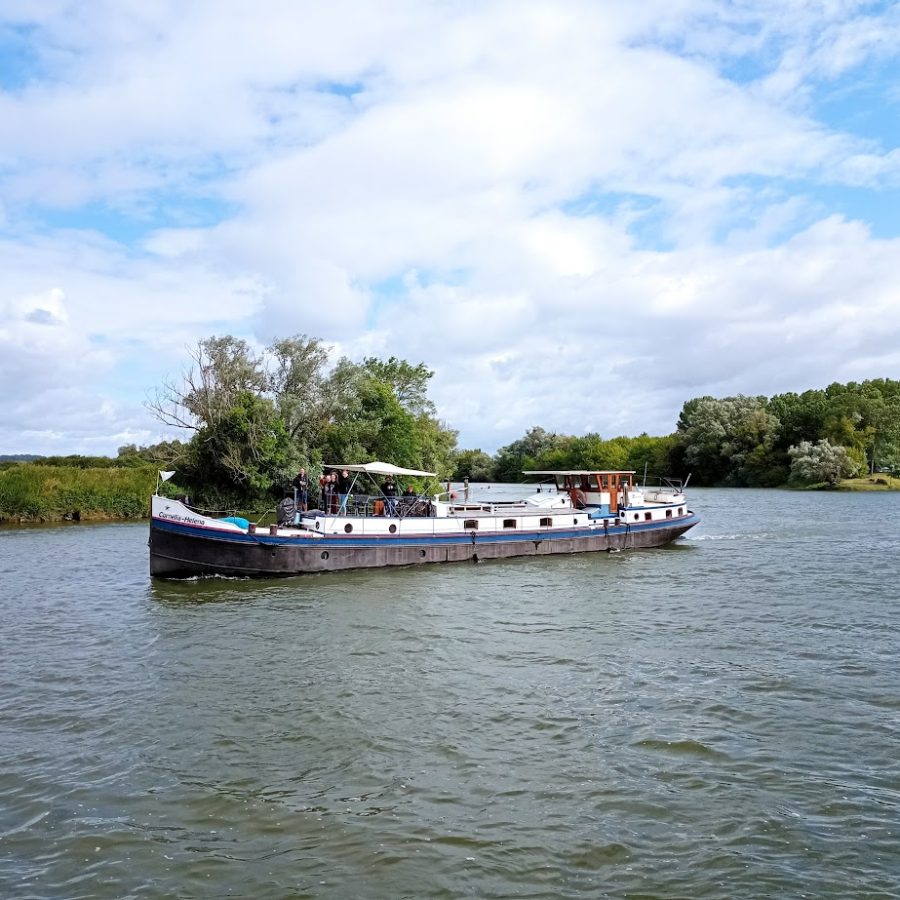
Cornelia Héléna

⚠️ Other important factors not to forget

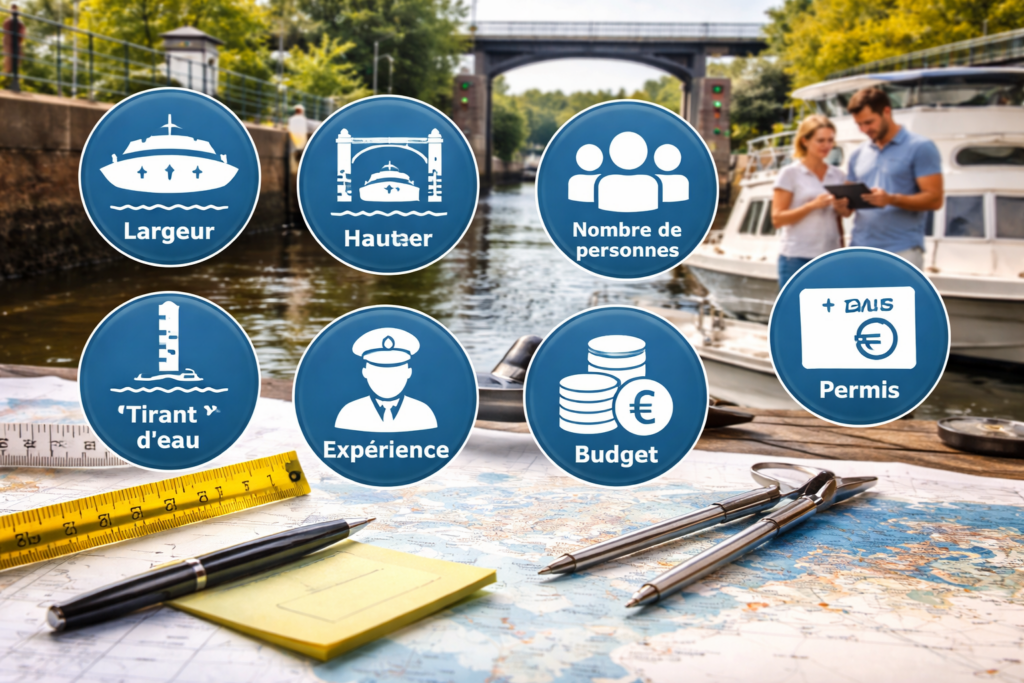
Length isn’t the only key element. Also consider:

  • Width (ease of navigation, particularly in locks)

  • Air draft (for locks and marinas)

  • Draft (minimum depth required)
  • Height (clearance under bridges)

  • Your boating experience

  • Overall budget (not just the purchase price)

  • The type of boating license you’ll need. To learn more about licenses, click here.

In summary:

  • Occasional outings → boats under 10 meters

  • Cruises lasting a few days → boats between 10 and 13 meters

  • Regular cruising → boats between 13 and 18 meters

  • Living on board / long-term cruises → boats 18 meters or more