


All About Getting a Boat License
Are you thinking about buying a boat, or have you just made it happen? Are you already dreaming of taking the helm… but don’t have a boat license yet? 🚤
Rest assured, you’re in the right place. In this article, we clearly explain the different types of boat licenses, when they are required, and how the theoretical and practical tests are conducted.
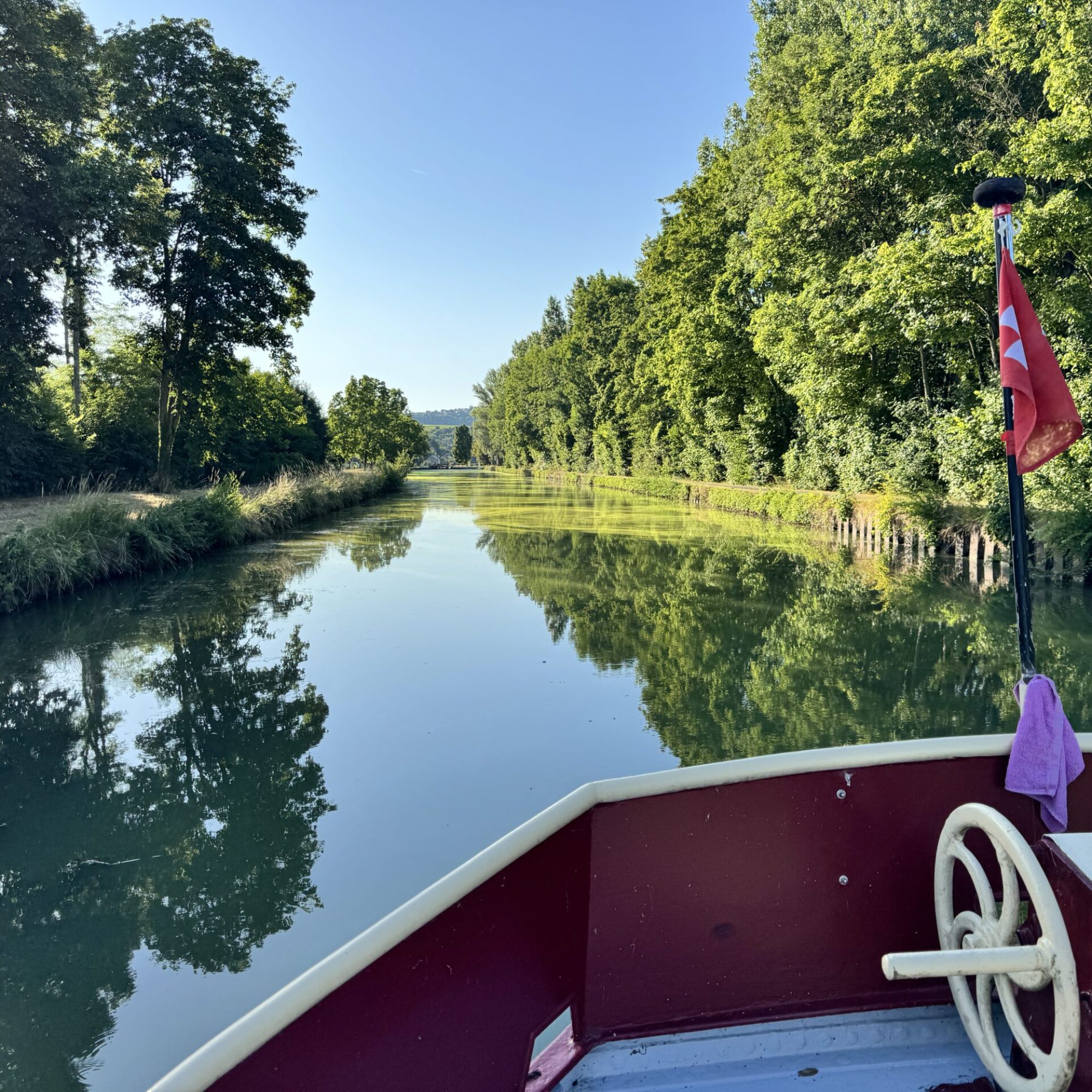
Inland Waterway License
The Inland Waterway License (or Inland Pleasure Boating License) allows you to operate a motorized pleasure boat of more than 6 HP on rivers, canals, and lakes. This license permits you to navigate a boat up to 20 meters in length.
🎯 Eligibility: Minimum age 16.
📚 Training Content
Theory (min. 6 hours): Classroom courses (group or individual) covering:
-
Navigation and safety rules
-
Operation of locks and dams
-
Visual and sound signals
-
Use of distress equipment
-
Mandatory onboard equipment
-
VHF radio module
-
Conditions for mooring your boat
-
Environmental protection regulations
Theoretical Exam: 40-question multiple-choice test (maximum 5 mistakes allowed).
⚓ Practical Training
4 hours of navigation, including 2 hours at the helm of the training vessel. The boating school will directly validate this part of the exam. If you already hold a coastal license, you may be exempt from the practical training.
To pass the practical inland waterway license test, you must demonstrate the following skills:
-
How to maneuver the boat: start, align, reverse, dock and undock, anchor, and recover a person who has fallen overboard
-
How to read and interpret weather information
-
How to read and use a map in inland waterways
-
How to use distress signals
-
Knowledge of safety procedures for yourself and your crew
-
Understanding the rules regarding environmental protection
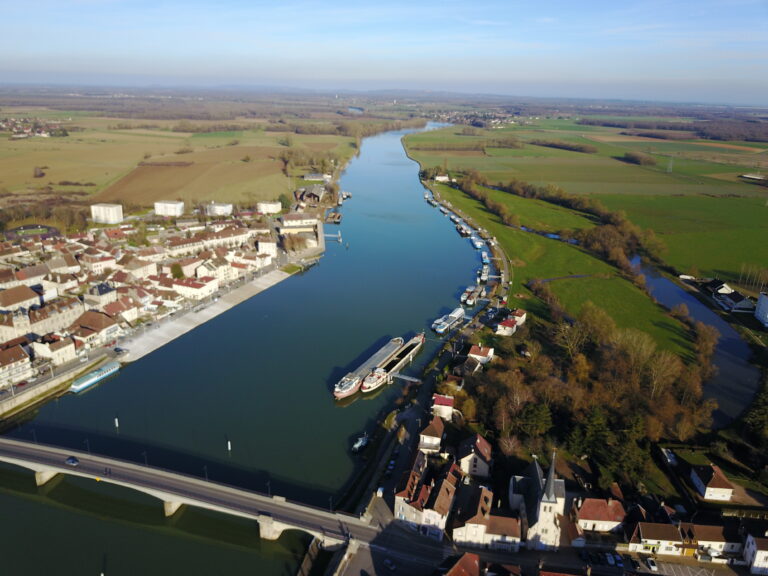
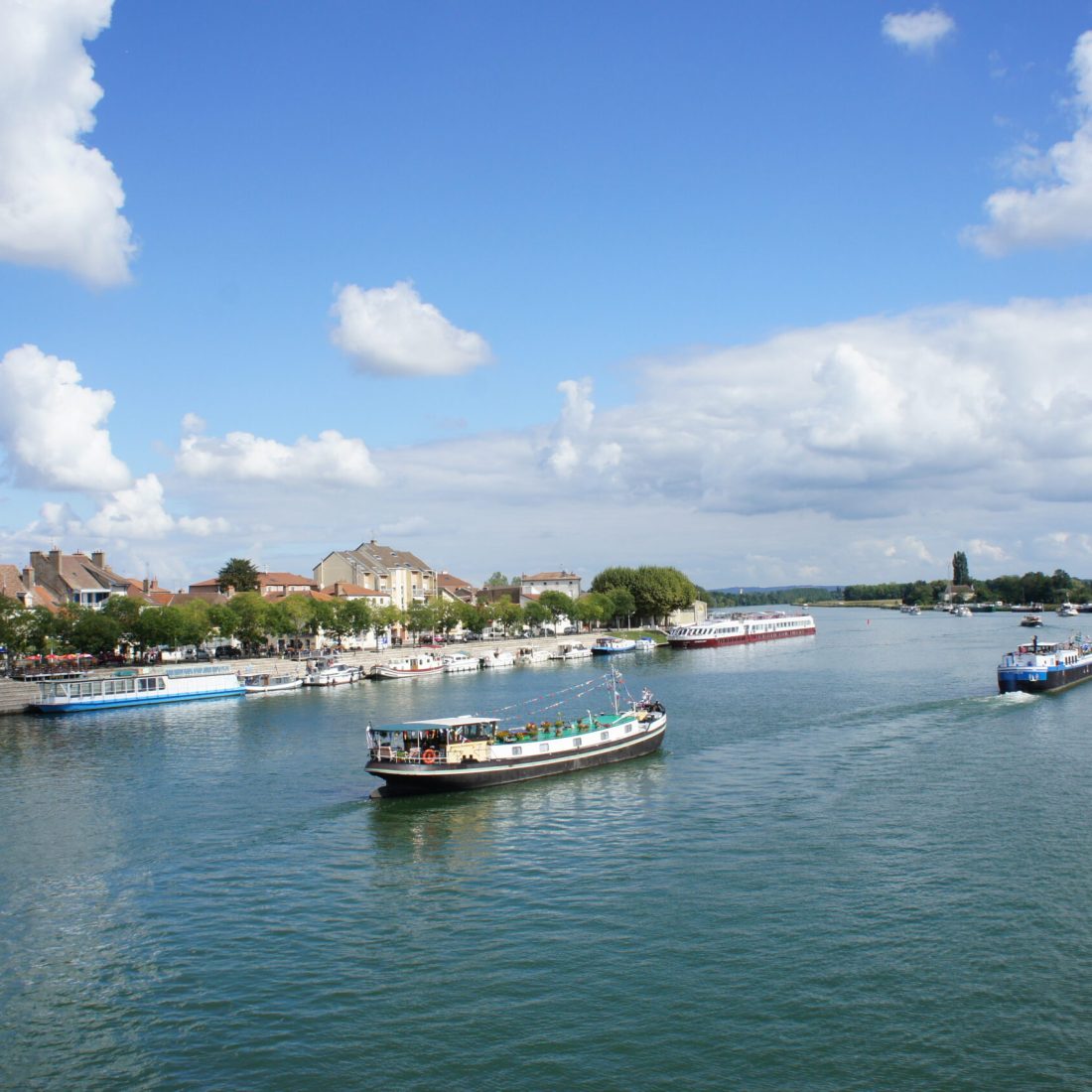
Large Pleasure Craft Endorsement
This endorsement allows you to navigate day and night on rivers, canals, and lakes with a boat longer than 20 meters.
📚 No theoretical exam is required for this endorsement, but the boater must already hold an Inland Waterway License.
⚓ Practical Training
This endorsement requires at least 9 hours of practical training. The candidate’s actions are evaluated during practical sessions (continuous assessment conducted by the boating school), while a series of questions are asked simultaneously to assess theoretical knowledge.
Once all skills have been validated, the boating school issues a certificate of completion to the candidate.
Skills to be demonstrated:
-
Starting and stopping the engine, boarding, casting off, and docking
-
Anchoring and rope handling (mooring techniques)
-
Navigation on rivers or canals
-
Passing through a lock
-
Rescuing a person who has fallen overboard (simulated using a floating object)
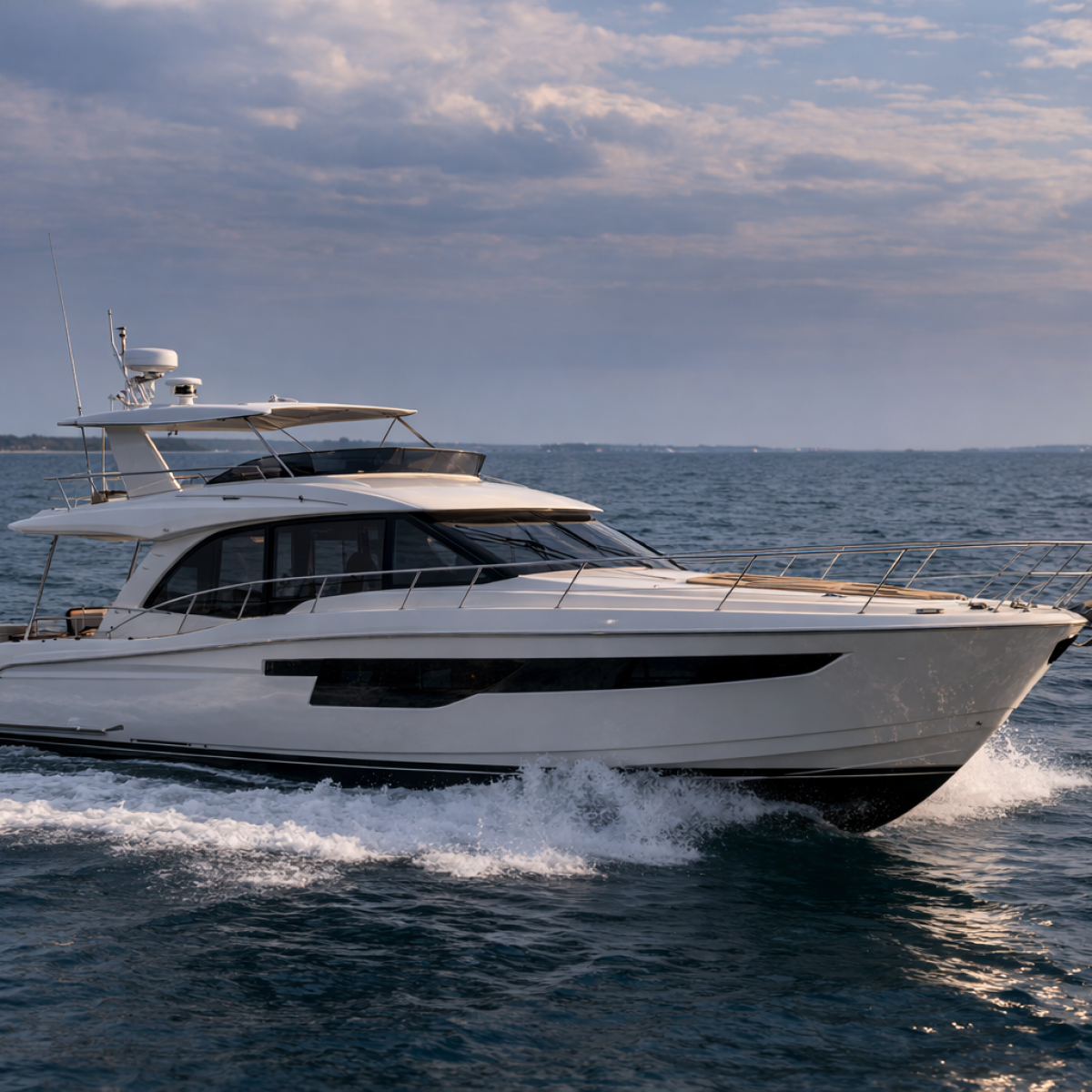
Coastal Boating License
The coastal boating license allows you to navigate at sea up to 6 nautical miles (11 km) from shelter, day and night. This license also permits you to operate a jet ski.
🎯 Eligibility: Minimum age 16.
📚 Training Content
Theory (Maritime Code): Minimum 6.5 hours of in-person training.
Exam: 40-question multiple-choice test (maximum 5 mistakes). The exam lasts approximately 30 minutes and covers:
-
Coastal and beach buoyage systems and pictograms
-
All sound, maneuver, warning (port traffic, distress, weather), and distress signals
-
Vessel lights and marks
-
How to read and use a nautical chart
-
Navigation rules, limitations, and safety regulations
-
Environmental protection regulations
⚓ Practical Training
4 hours of navigation, including 2 hours at the helm of the training boat. In recent years, the practical test is no longer validated by an inspector but by the boating school instructor.
For this practical test, you will need to demonstrate the following skills:
-
Maneuvering a boat: starting, aligning, reversing, docking and casting off, as well as recovering a person who has fallen overboard
-
Maintaining a course while at the helm
-
Ensuring the safety of yourself and your crew
-
Handling a mooring line or buoy
-
Understanding all relevant weather information
-
Proper use of distress signals
-
Knowledge of environmental protection rules
Offshore Boating License
https://h2ofrance.com/what-boat-size-should-you-choose-based-on-your-boating-plans/This is an extension of the coastal boating license. It is required in France to navigate beyond 6 nautical miles from shelter, with no distance limit, day or night, on all types of motorboats.
🎯 Eligibility: Minimum age 16 and must already hold a Coastal Boating License.
📚 Training Content
Theory only: Training usually lasts around 16 hours, and the exam takes approximately 1.5 hours.
To obtain the offshore endorsement, candidates must learn to:
-
Use a nautical chart (calculate headings, plot routes)
-
Navigate at night using a chart
-
Account for drift and current
-
Interpret tide information
-
Calculate tides relative to a main port
-
Identify lighthouses
In conclusion, a boat license is not a constraint—it’s the first concrete step toward your new life on the water. When properly chosen and well prepared for, it becomes a simple formality on the way to your first voyages.
Discover which boating license matches your plans. Click here to read our guide on the ideal boat size for your type of navigation.